Discovering Potential: How Montessori Techniques Change Learning for Every Child
Montessori methods furnish a unique tactic to education that underscores independence, curiosity, and critical thinking. By creating responsive learning spaces and utilizing hands-on materials, these systems cater to various learning styles. Multi-generational classroom environments foster collaboration and allow children to progress at their own pace. This holistic approach not only enhances intellectual capabilities but also encourages individual maturation. What effects could this have the educational horizon? Exploring these questions unveils rich insights.
The Central Values of the Montessori Teaching Approach
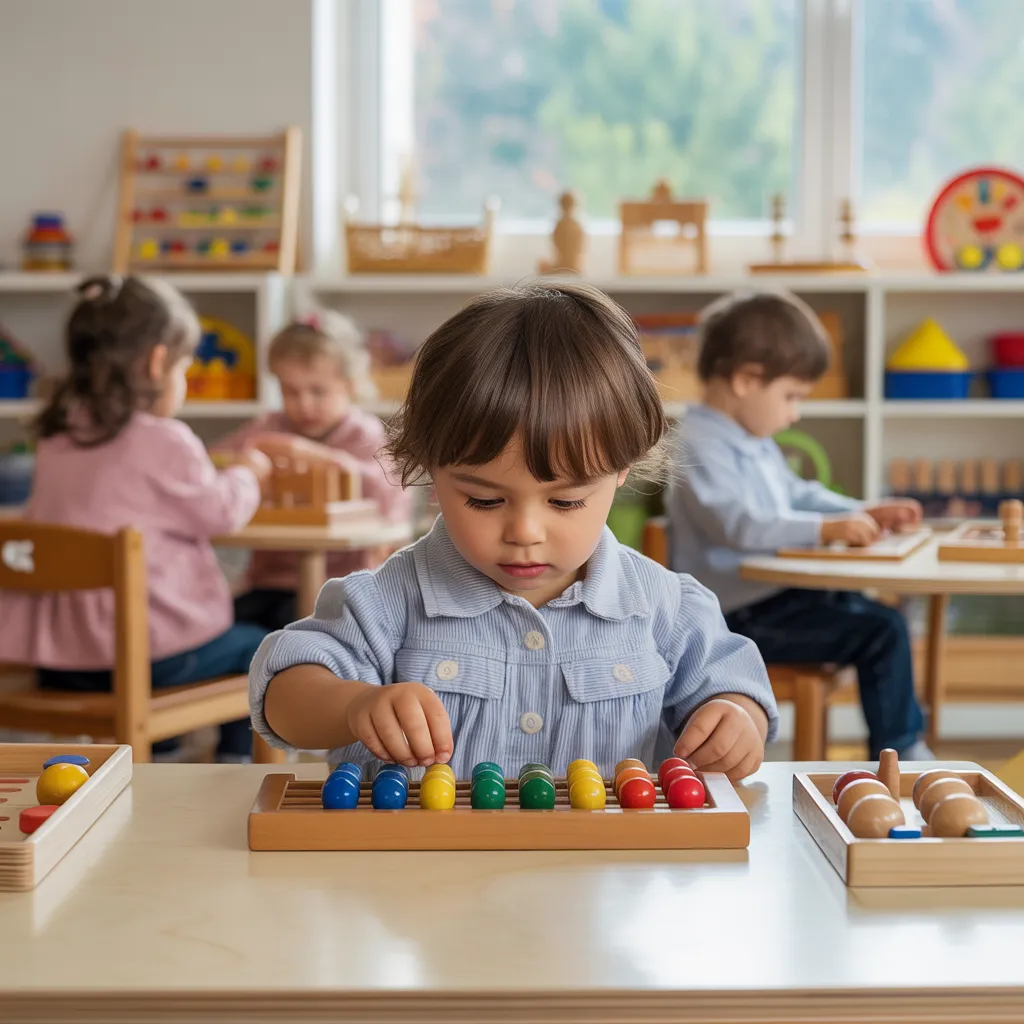
The core of Montessori education rests on several fundamental principles that inform its learning methods. Central to this philosophy is the faith in the natural potential of every child, underscoring respect for their unique developmental pace. The prepared environment is central, designed to encourage exploration and self-directed activity. Materials are thoughtfully chosen to be engaging and appropriate for their growth, enabling children to learn through hands-on experiences. Additionally, the Montessori method cultivates a mixed-age classroom environment, promoting collaboration and peer learning. Teachers function as guides rather than traditional instructors, facilitating learning while observing and supporting each child's individual journey. This comprehensive approach nurtures not only cognitive abilities but also social and emotional development, fostering a lifelong love of learning. Through these principles, Montessori education aims to develop independent, confident learners who can navigate the world effectively.
How Montessori Education Fosters Self-Reliance in Kids
Montessori education exclusively encourages independence in children through independent learning, allowing them to take control of their educational journey. By focusing on practical life skills, report children gain self-assurance in their abilities to handle everyday tasks. Moreover, the freedom of choice motivates them to make decisions, further improving their autonomy and self-reliance.
Fostering Self-Guided Learning
Supporting independence in children, the Montessori philosophy stresses self-directed learning as a primary principle. This technique enables children to navigate their own educational journeys, offering them opportunities to select activities that match their interests and growth stages. Through a prepared environment rich in materials, educators foster exploration and discovery, allowing students to pursue knowledge at their individual pace. This independence not only encourages critical thinking and problem-solving skills but also builds a sense of responsibility. As children engage in self-directed work, they cultivate confidence in their abilities, boosting their intrinsic motivation. In conclusion, this philosophy nurtures lifelong learners equipped with the abilities necessary to thrive in an ever-changing world, establishing a strong base for future educational endeavors.
Useful Life Competencies
Encouraging kids to become proficient in everyday skills is a key aspect of Montessori education. Hands-on activities enable youngsters to learn important tasks like pouring, sweeping, and dressing, which enhance independence and confidence. These tasks are carefully designed to match youngsters’ age, allowing them to work at their own pace. Practicing these real-life skills helps them build fine motor coordination and cognitive functions, which strengthens their sense of achievement. Furthermore, focusing on responsibility builds a bond with their environment and community. As they complete these tasks, kids build problem-solving skills and an awareness of the results of their actions. Practical life skills ultimately equip children for daily living and foster a lasting love of learning and autonomy.
Freedom of Option
Children who participate in real-world competencies create a robust framework for independence, which is further enhanced by the freedom of choice fundamental to Montessori education. This educational philosophy enables children to pick learning experiences that match their interests and developmental needs, cultivating a sense of ownership over their studies. By selecting options, they develop the ability to assess their preferences, manage time, and cultivate critical thinking abilities. This autonomy encourages self-motivation and self-assurance, as children progress along their academic experience at their individual rhythm. Furthermore, the environment is thoughtfully constructed to support these choices, with learning tools within reach and engaging. As an result, children in Montessori classrooms not only foster independence but also build a lifelong love for learning through inquiry and investigation.
Why Hands-On Learning Sparks Curiosity
Hands-on learning functions as a catalyst for curiosity in children by involving their senses and fostering active participation. This approach enables independent exploration, letting students to discover concepts through their own experiences. Additionally, it cultivates creative solution-finding capabilities, arming learners to navigate challenges in innovative ways.
Captivating Through Sensory Experiences
Numerous investigations highlight the profound impact of tactile engagement in primary learning, showing how tactile interactions can spark curiosity. In Montessori classrooms, students work with resources that activate their senses, promoting exploration and education through touch, sight, sound, and movement. For example, using sandpaper letters allows students to experience the shapes of letters while simultaneously learning to recognize them. This multisensory approach not only enhances cognitive development but also fosters emotional connections to the learning process. As students manipulate various objects, they cultivate fine motor skills and spatial awareness, vital for later academic success. Ultimately, sensory experiences build a vibrant, engaging environment that nurtures curious minds, making learning a dynamic and enjoyable journey.
Encouraging Self-Sufficient Exploration
Building upon the value of sensory experiences, enabling independent exploration naturally complements Montessori principles. Under this method, children are motivated to interact with their environment freely, allowing them to chase their interests and questions. Hands-on learning activities afford opportunities for students to handle materials and discover concepts at their own pace. This autonomy not only encourages curiosity but also enhances confidence, as children learn to trust their intuition and make decisions. By crafting an environment rich in resources and tools, educators support this exploration, directing children to pursue their natural inquisitiveness. Ultimately, enabling independent exploration fosters a lifelong love of learning, empowering children to seek knowledge beyond the classroom.
Fostering Creative Problem-Solving
Engaging with tactile materials sparks children's creativity and encourages creative solution-finding. In Montessori settings, interactive experiences enable children to investigate concepts through firsthand engagement. This method cultivates inquisitiveness, enabling learners to experiment and iterate on their thoughts. When faced with challenges, children discover how to create multiple solutions, strengthening their analytical reasoning skills.
The implementation of manipulatives, such as building blocks or art supplies, encourages discovery and bold exploration in a safe space. Children are inspired to ask questions and seek answers independently, developing resilience and versatility. This approach supports not only learning abilities but also social awareness, as children partner and convey understanding. Ultimately, Montessori strategies transform traditional education by empowering students to become effective innovators.
How Montessori Techniques Elevate Academic Performance
Montessori approaches cultivate a unique educational setting that enhances academic success by promoting self-directed exploration and critical thinking. In this approach, learners engage with tactile resources that cater to different educational preferences, advancing deeper understanding of concepts. The focus on personalized education enables children to advance at a self-determined speed, cultivating a sense of ownership over their education.
Additionally, the multi-age learning spaces enhance peer learning, where younger students can draw insights from older peers, solidifying knowledge through teaching. This teamwork-based setting cultivates communication skills and inspires a passion for learning. Teachers function as guides rather than traditional instructors, fostering inquiry and exploration.
Assessment in Montessori settings emphasizes skill development rather than grades, enabling students in fostering inner drive. As a effect, children regularly exhibit greater academic resilience, generating enhanced performance in standardized assessments. Overall, Montessori methods create a solid foundation for continuous development and academic achievement.
Vital Life Aptitudes Established With Montessori Pedagogy
Fostering independence and responsibility, Montessori learning cultivates essential life skills that go further than academic knowledge. This approach promotes children to act proactively and exercise decision-making, fostering choice-making skills crucial to upcoming achievements. By participating in practical exercises, students develop analytical abilities and learn to manage temporal management. The emphasis on collaboration within mixed-age classrooms also strengthens interpersonal abilities, teaching children compassion and consideration toward their peers.
Furthermore, Montessori education cultivates self-discipline through organized schedules, supporting children recognize the effects of their actions. Real-life activities, including cooking and plant care, instill a sense of stewardship and care for their setting. These experiences enhance motor skills while also build confidence and perseverance. In conclusion, the life skills acquired through Montessori pedagogy enable children to navigate challenges and adjust to new circumstances, equipping them for a fulfilling future.
Fitting Montessori Schooling to Assorted Learning Styles
Adapting educational methods to support diverse learning styles fosters a more welcoming and successful learning environment. Montessori education is naturally adaptable, recognizing that children learn in multiple ways—visually, auditorily, and kinesthetically. By utilizing hands-on activities and materials, students interact with concepts in a manner that suits their individual preferences.
Teachers carefully monitor each child, recognizing individual strengths and weaknesses. This assessment informs personalized lesson plans that align with each learner's preference, fostering deeper understanding and retention. For example, a child who excels in spatial reasoning may benefit from manipulating geometric shapes, while another might thrive through storytelling.
This openness instills a sense of autonomy, motivating students to take control of their learning journey. By respecting and responding to diverse learning styles, Montessori education not only strengthens academic achievement but also develops a love for learning that extends beyond the classroom.
Readying Yourself for Lasting Attainment: The Montessori Advantage
An education that respects individual learning styles forms a strong foundation for lifelong success. The Montessori approach stresses autonomous learning, permitting children to explore their interests at their own pace. This strategy nurtures critical thinking and analytical abilities, vital characteristics in an rapidly shifting world. By fostering independence, students learn to embrace accountability for their studies, readying them for future challenges.
Furthermore, the mixed-age classroom setting fosters teamwork and peer learning, boosting social skills and emotional intelligence. Children cultivate respect for different opinions, which is necessary for success in global contexts. The concentration on practical, direct experience further equips students with applicable abilities applicable beyond the classroom.
In the end, the Montessori benefit is found in its comprehensive method, fostering not only scholarly skills but also individual development. This all-encompassing educational framework prepares children to traverse life's challenges, ensuring they possess the tools required for lifelong success.

Frequently Asked Questions
Which Age Groups See the Most Improvement From Montessori Education?
Children aged 3 to 6 years derive substantial advantages from Montessori education, as this stage encourages independence and independent study habits. However, older age groups, including elementary students, also obtain valuable skills through the Montessori approach.
What Methods Does Montessori Education Use to Cater to Children With Special Needs?
Montessori programs accommodate children with special needs by offering personalized educational instruction, fostering independence, and permitting flexibility in pace. This tailored approach allows diverse learners to thrive in a caring and encouraging setting, promoting their unique strengths.
Do Montessori Learning Centers Present Higher Price Tags Than Traditional Schools?
Montessori educational institutions typically charge increased fees compared to standard schools, mainly due to limited student numbers, specialized materials, and personalized instruction. Yet, costs may vary substantially depending on geographic location and particular educational packages.
What Requirements Do Montessori Teachers Require?
Montessori instructors typically need a bachelor's degree and focused preparation in Montessori techniques, which incorporates both theoretical knowledge and practical experience. Accreditation from reputable Montessori associations is often vital for teaching in accredited educational facilities.
How Can Parents Support Montessori Methods at Home?
Parents can promote Montessori principles at home by designing a prepared environment, fostering self-reliance, providing choices, encouraging inquiry, and emphasizing tactile instruction. Engaging in exploratory talks also improves analytical reasoning and cultivates a young person's inherent wonder.